By Gary Katz
Professional Genealogist & Genetic Genealogy Analyst
Over the course of this series, I’ve outlined how I approach professional genealogy as an evidence-based discipline — not a race to add names, but a process of asking better questions, testing assumptions, and building conclusions that can withstand scrutiny.
If you’re joining the series here, the earlier articles explore the foundation that makes meaningful publication possible:
- How I Turn Family Mysteries Into Ancestral Discoveries
- Building the Tree Foundation
- Verifying the Family Chronicle
- Surfacing Living Cousins
- Experimenting with Big Puzzles
- Deep Diving Into DNA
Publishing Is More Than Sharing
Sharing genealogy often means screenshots, emailed PDFs, or trees copied across platforms. Publishing is different. Publishing is intentional. It assumes an audience beyond the present moment — and it accepts responsibility for accuracy, context, and clarity.
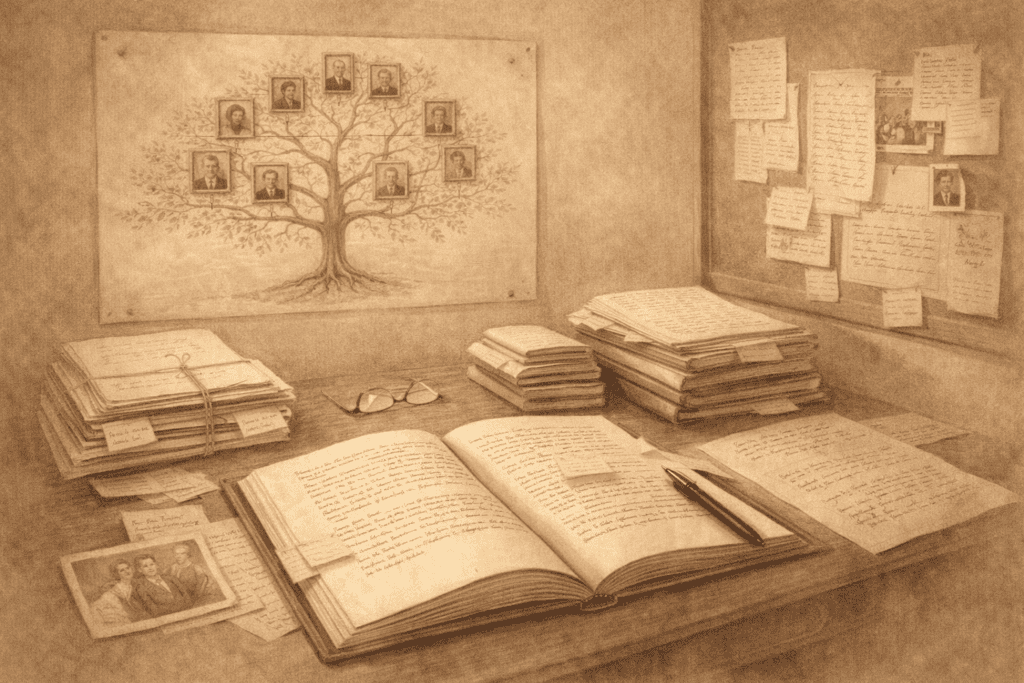
Publishing Creates Accountability
Once your work leaves your desk, it takes on a life of its own. Others will rely on it. They will quote it, copy it, and build upon it — sometimes long after you’re gone.
That reality demands care. Clear sourcing. Explicit distinction between fact, inference, and hypothesis. And transparency about what remains unknown.
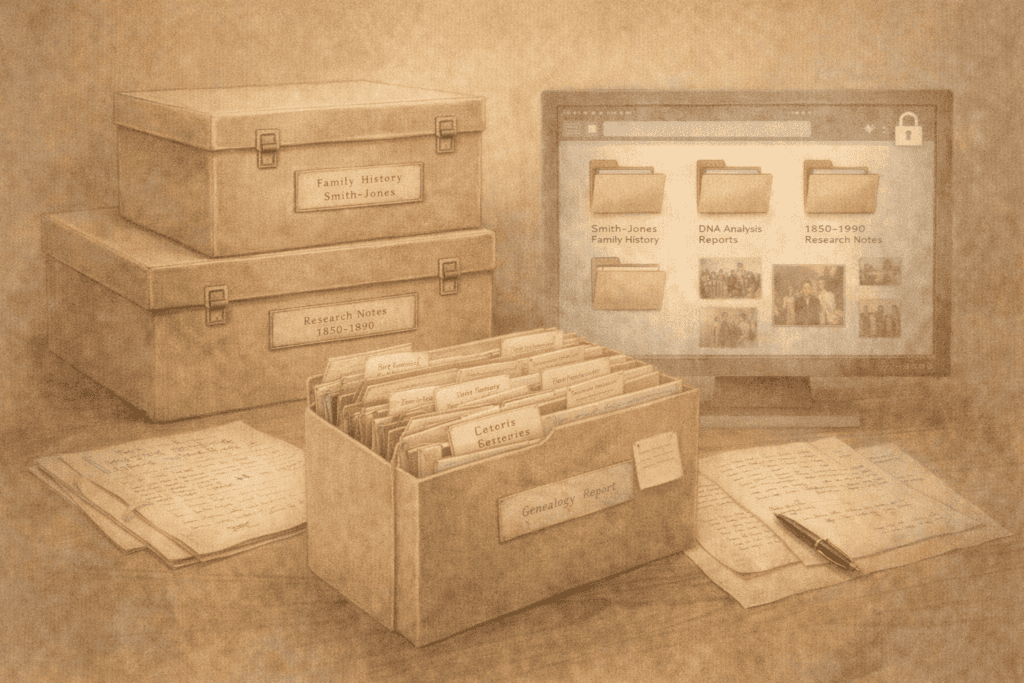
Archive Your Work for Long-Term Preservation
Publishing without preservation is fragile. Files disappear. Platforms shut down. Formats change.
Responsible genealogy includes redundancy and durability:
- Preserving research notes alongside conclusions
- Maintaining both digital and physical copies where possible
- Using stable formats and clear file naming conventions
- Separating raw evidence from interpretive narrative
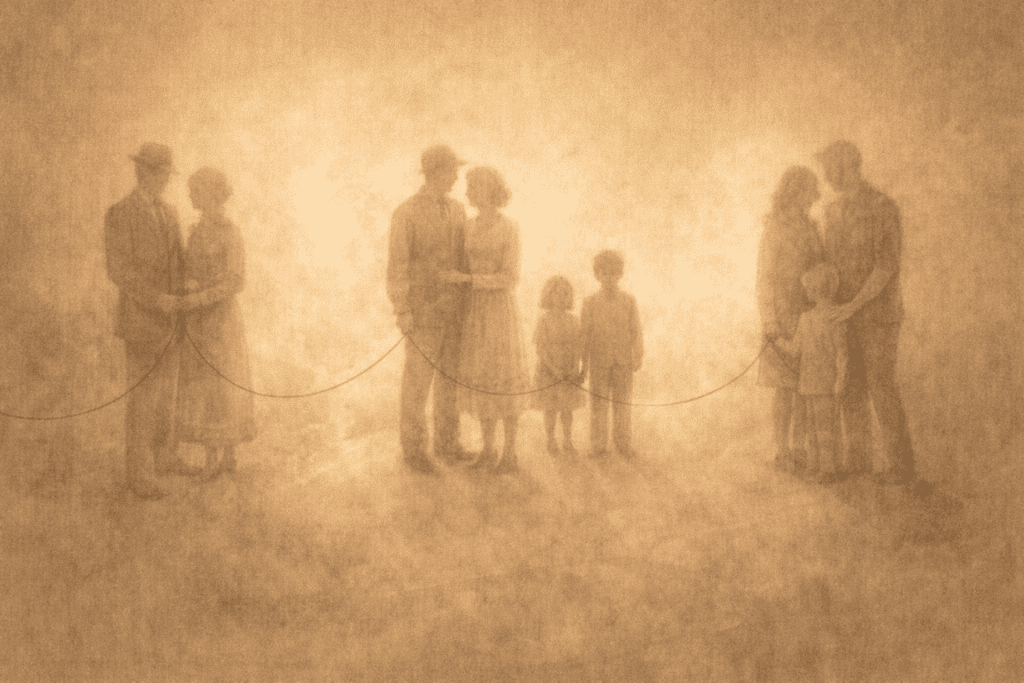
Publishing Is a Gift to the Future
Most genealogists research backward. Publishing forces us to think forward.
The most meaningful family histories aren’t just records of the past — they are bridges to future readers who may not yet know why these stories matter.
Where This Fits in the Workflow
Publishing isn’t the final step because the work is finished. It’s the point at which the work becomes shareable, defensible, and durable.
Next in the Workflow
In the next article in this series — Article 8 – Connecting the Dots Through Collaboration — I’ll explore how published work invites dialogue, correction, and discovery through others.
About the Author
Gary Katz is a professional genealogist and DNA detective specializing in Jewish and Eastern European family research, DNA analysis, and lineage reconstruction. He helps clients make sense of their ancestry and document their heritage.
If you’d like to follow along as I continue this work, I occasionally share notes and reflections in my Genealogy Gary Roots Roundup.
If you’re facing a complex research question and want help clarifying what the evidence actually supports, the best place to begin is with a focused assessment.
3 Comments